
Facility Infrastructure Monitoring — 2024 Trends
How is Infrastructure Monitoring Changing?
The traditional approach to building technical infrastructure management was based on a reactive model — fix it when it breaks. Today, technology enables proactive management that minimizes downtime and optimizes costs.
Internet of Things (IoT) in Infrastructure
Thousands of sensors distributed throughout a building collect data on temperature, humidity, energy consumption, device vibrations and air quality. This data, analyzed in real time, allows:
- Detecting anomalies before they become failures
- Optimizing maintenance schedules
- Reducing energy consumption by 15–25%
- Extending equipment lifespan
Predictive Diagnostics
Machine learning algorithms analyze historical sensor data and identify patterns preceding failures. This enables:
- Planning component replacement before failure
- Ordering spare parts in advance
- Minimizing unplanned downtime
- Reducing repair costs by 20–40%
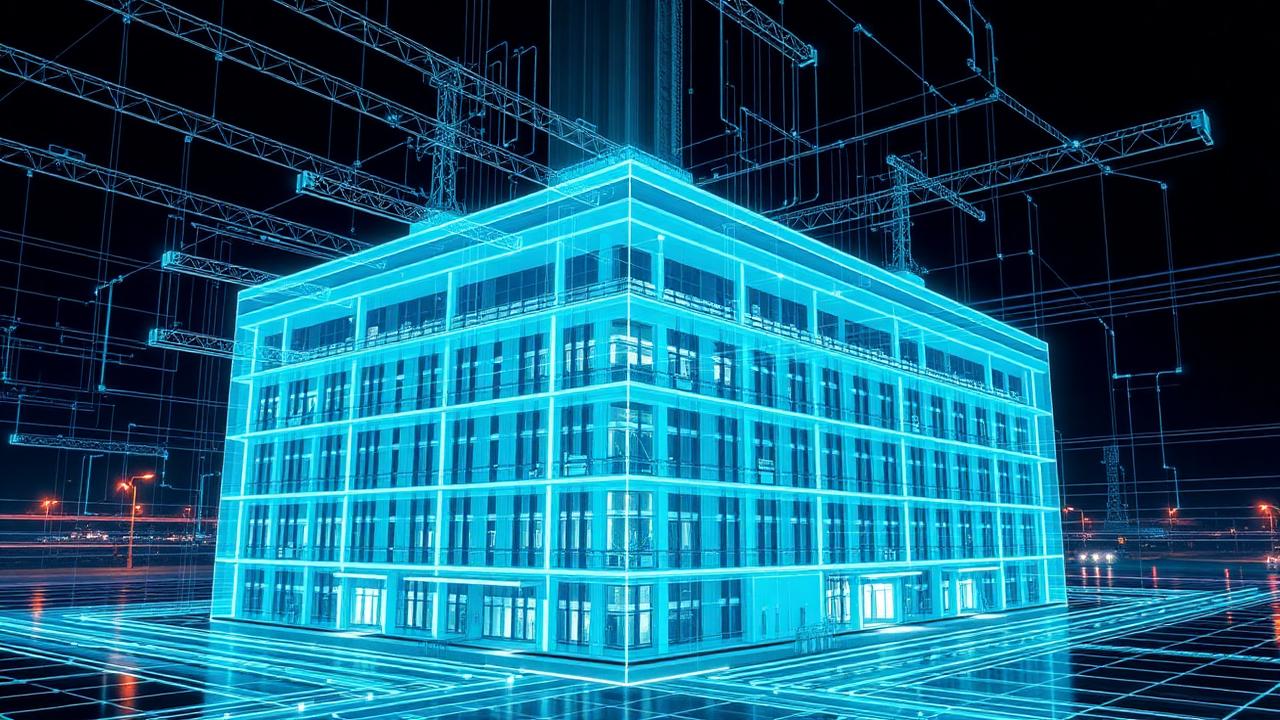
Digital Twins
A digital twin is a virtual replica of a building that mirrors the state of all technical systems in real time. It enables:
- Simulating "what if" scenarios without interfering with the real facility
- Optimizing energy and air flows
- Training technical personnel in a safe environment
- Planning upgrades based on data, not intuition
Central Monitoring Platforms
Modern solutions allow managing multiple facilities from a single operations center. Key features include:
- Real-time dashboards with KPIs for each facility
- Automatic alerts with prioritization and escalation
- Compliance reports generated automatically
- CMMS integration (Computerized Maintenance Management System)
Summary
Infrastructure monitoring in 2024 is a combination of IoT, artificial intelligence and digital twins. Organizations that implement these technologies will gain a competitive advantage through lower operational costs and higher reliability.
Facility Infrastructure Monitoring
Centralized real-time monitoring and management of building technical infrastructure.
Related Articles

Biometric Access Control and GDPR: What Employers Can and Cannot Do
Read full article
NIS2 and Building Technical Infrastructure: What Companies and Facility Managers Must Actually Do
Read full article